Classic Motorcycles: Buying and Keeping One
Thinking about a classic motorcycle? What counts as a classic, veteran status in Switzerland, Germany and the UK, what to check before buying, and how to keep it riding.
A classic motorcycle is part machine, part history, part project. Done right, it’s one of the most rewarding things you can own on two wheels. Done wrong, it’s an expensive ornament. Here’s how to land on the right side.
What counts as a classic?
There’s no single definition. Clubs, insurers and authorities all draw the line differently. A rough guide riders use:
- Veteran or vintage: pre-war, or very early post-war
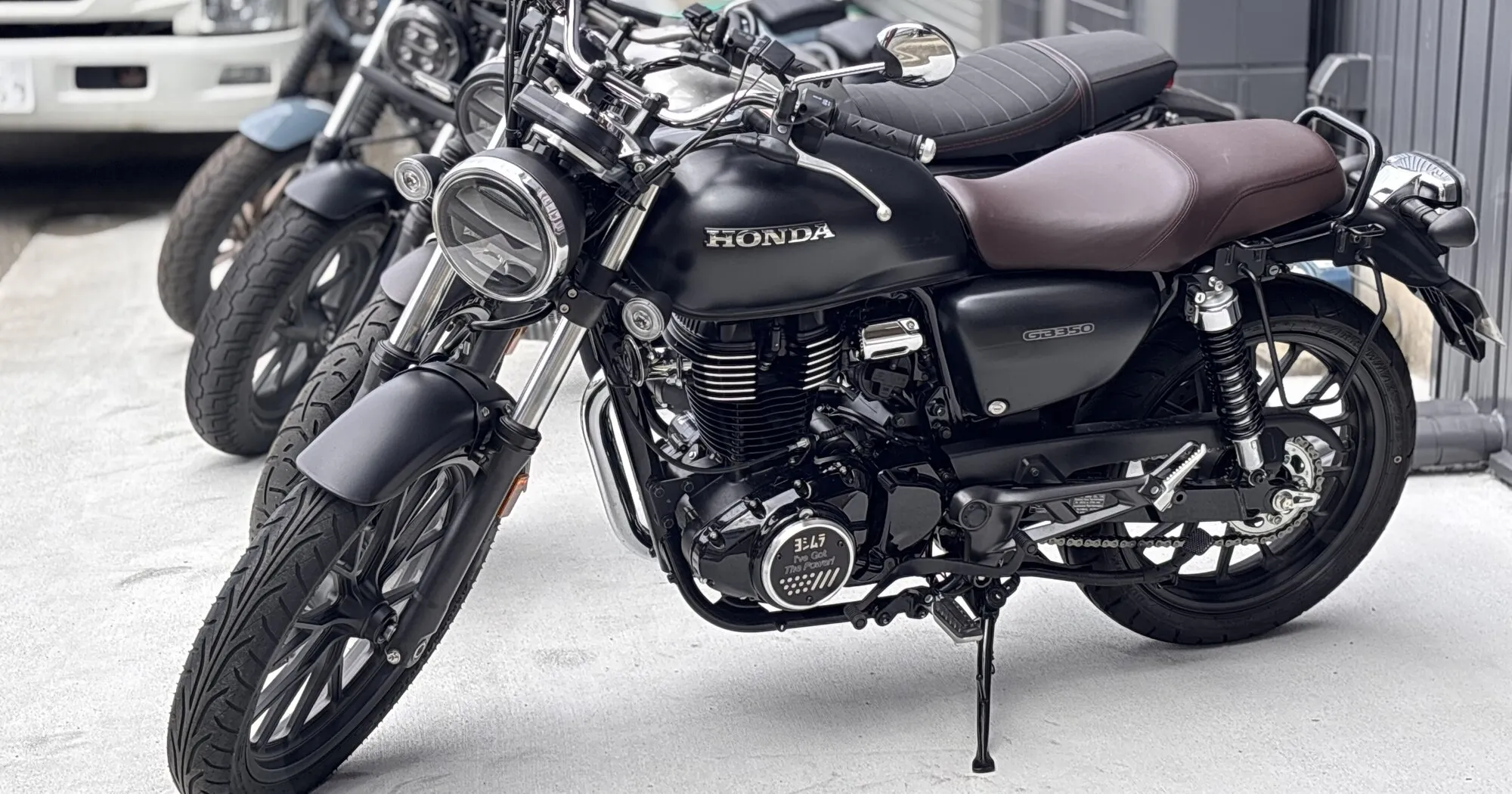
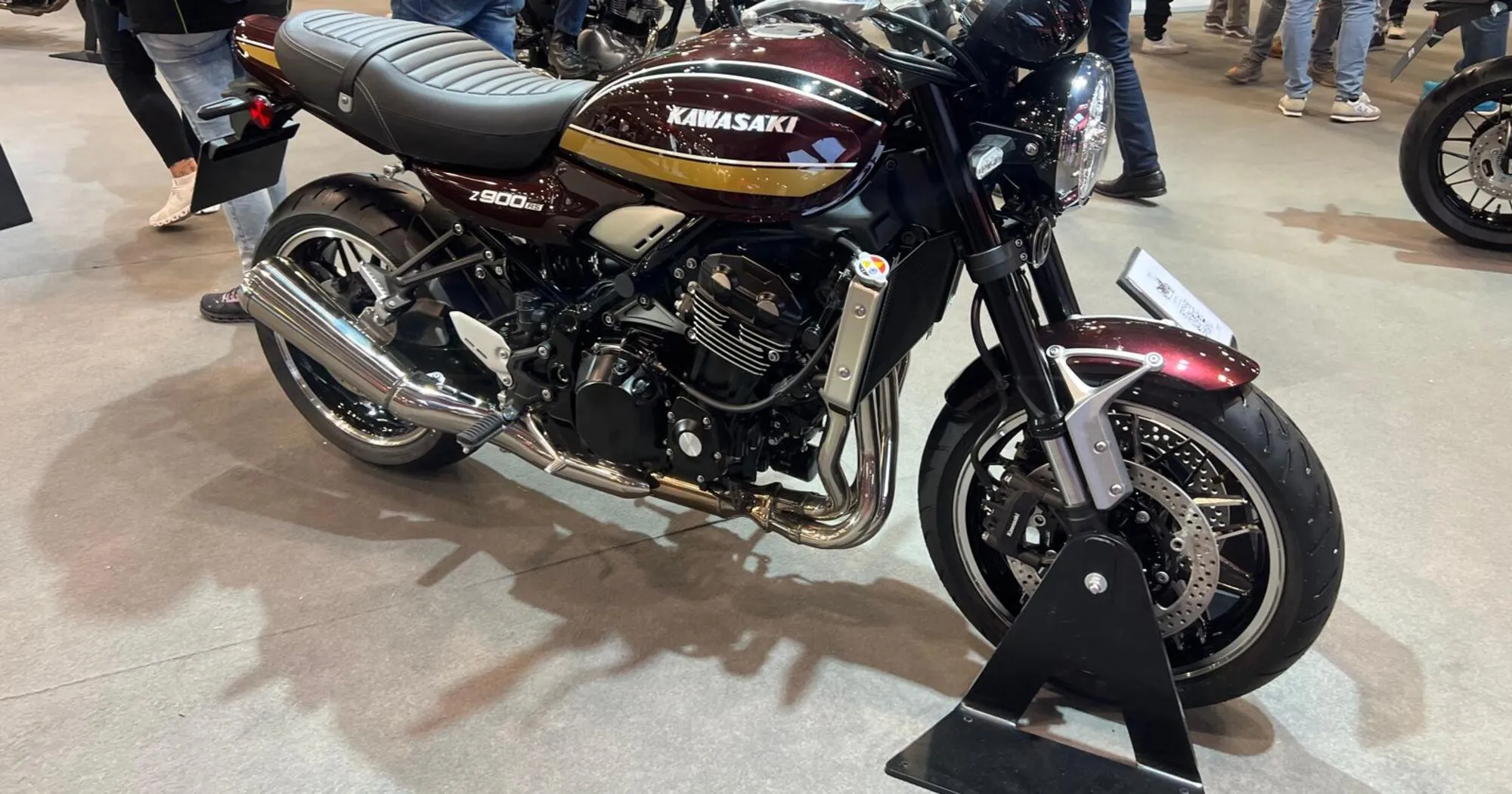
- Classic: roughly 1950s to 1980s, the CB750, Z1, Bonneville and Moto Guzzi V7 era
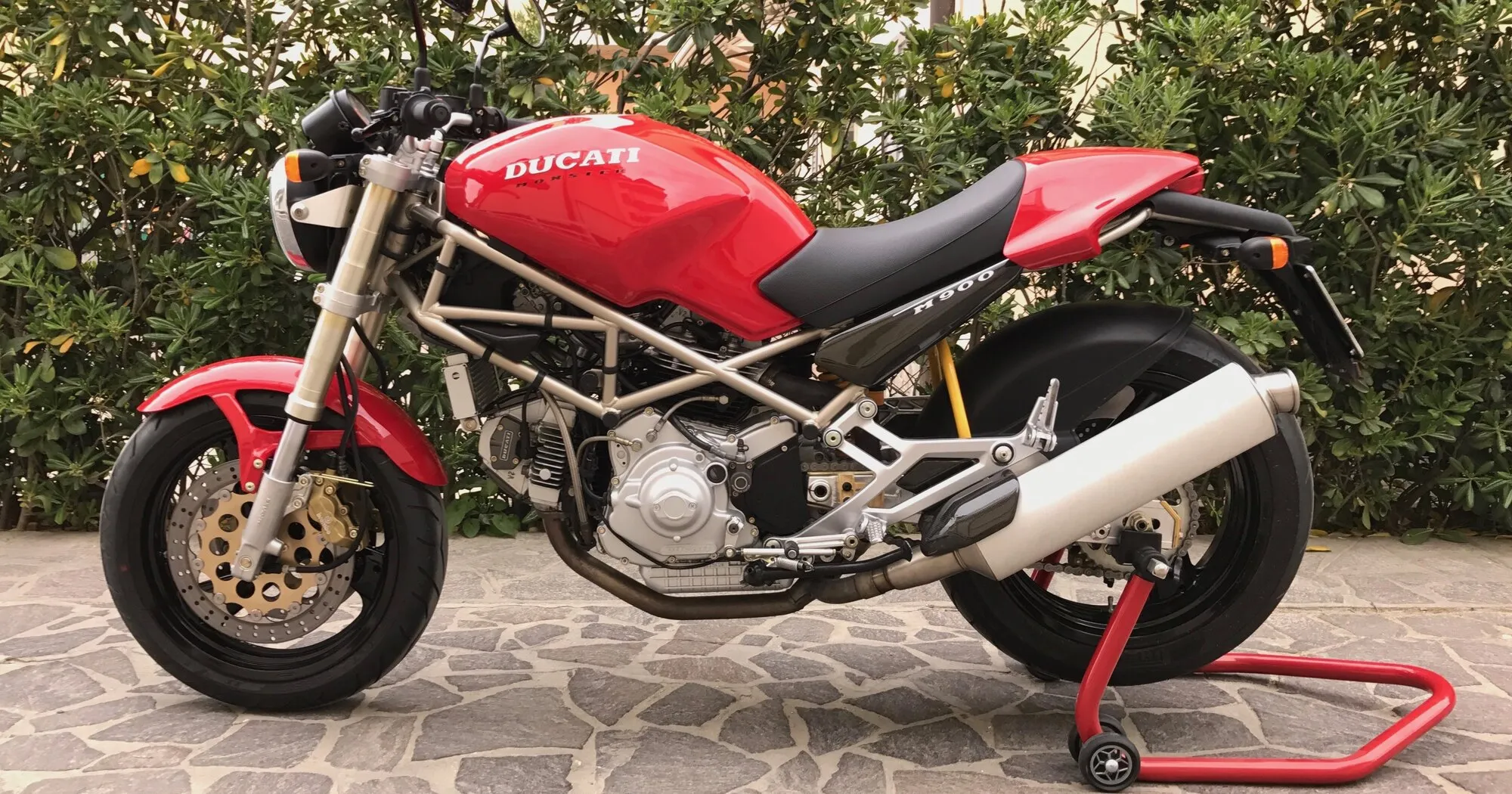
- Modern classic or youngtimer: 1990s and early 2000s bikes like the first Monster or Speed Triple, which are fast becoming collectible
What matters in practice is the legal definition where you live, because it can change your inspection interval and your running costs.
Veteran status: Switzerland, Germany, UK
Switzerland. A motorcycle can be registered as a Veteranenfahrzeug if its first registration was more than 30 years ago, it’s in well-kept, largely original condition, and it’s used privately. The canton decides at the inspection (MFK), and the status is entered in the vehicle registration document. Benefits include an MFK interval of up to six years, and in some cantons lower road tax. Modern changes can cost you the status; retrofitted daytime running lights are a known example. Ask your cantonal road traffic office before you modify anything.
Germany. At 30 years, a well-preserved, largely original vehicle can get an H-Kennzeichen (historic plate) after an expert assessment, with a flat, lower vehicle tax.
UK. Vehicles built more than 40 years ago can be exempt from vehicle tax, and from the MOT if they haven’t been substantially changed. The 40-year window rolls forward every year.
Rules change and details vary, so always check with the authority before you buy with a particular status in mind.
Before you buy: what to check
Numbers and papers. The frame and engine numbers should match the documents, and ideally each other where the model allows. Mismatches aren’t always deal-breakers, but they affect value and can complicate registration.
History. Receipts, old inspection reports, owner records and photos from restorations are worth real money. A bike with a documented story sells faster and for more. Gaps in the history are worth asking about.
Originality. Decide what you want: an original survivor, a correct restoration, or a “restomod” with modern brakes and suspension. Each has a market. Paying original-bike money for a modified bike is the classic mistake.
Condition basics:
- Tank: rust inside the tank causes endless carburettor trouble. Look in with a torch.
- Engine: a cold start (feel the engine before the seller warms it), a compression test if possible, smoke, noises, and leaks.
- Electrics: older systems, especially 6-volt ones, are weak points. Check charging, lights and the horn.
- Frame and forks: straightness, steering head bearings, and corrosion on chrome and fork stanchions.
Parts. Popular models like the Honda CB750, Kawasaki Z1 or Triumph Bonneville have excellent parts support. Rare bikes can be beautiful, and a nightmare when a single part is missing. Join the owners’ club or forum for the model before you buy. They know the weak spots.
Keeping it on the road
Ride it. Classics suffer more from standing than from riding. Seals dry out, fuel goes stale, batteries die. A regular ride is the best maintenance.
Fuel. In markets with E10, many older fuel systems don’t like ethanol. It can attack old rubber parts and absorb water. Check your model’s or club’s advice, and consider ethanol-free or lower-ethanol fuel where it’s available.
Winter storage. Fill the tank to limit condensation (or drain it, depending on your bike and the advice for it), drain or treat the carburettors, put the battery on a maintenance charger, and keep the bike dry with tyres off the cold floor or on stands.
Tyres. Rubber ages even when the tread looks fine. Check the DOT code: the last four digits are the week and year of manufacture. Many riders and tyre makers recommend replacing tyres older than about five to six years, whatever the tread depth.
Oil and ignition. Many older engines were designed for mineral oils, and some need specific grades. Follow the manual or the club. On points ignitions, check the gap and timing regularly. On multi-cylinder bikes, keep the carburettors in sync.
Intervals are shorter. Service schedules from the 1970s often call for oil changes and valve checks every few thousand kilometres, far more often than a modern bike. Find the original schedule and keep to it.
Keep a record
On a classic, the history is part of the value. Write down every service, every part and every kilometre, and keep photos of the work and the receipts. It helps you stay on top of short intervals, it helps when something goes wrong, and it’s what the next owner will want to see.
NakedRevs is built for exactly that: a service log with costs, workshops and receipt photos for every bike in your garage, plus reminders by kilometres or by date. Your bike’s history stays in one place, and you can export it any time.
Read next: A short history of the naked bike · Revs explained